Understanding the Role of Public Spaces in Communities
Public spaces play a crucial role in shaping the social, cultural, and economic landscapes of communities. This article explores how public spaces contribute to community well-being, fostering social interactions and cultural engagements.
The Importance of Public Spaces
Public spaces, such as parks, plazas, and community centers, are essential for promoting social cohesion and engagement within communities. According to research conducted by the Project for Public Spaces, well-designed public spaces can enhance the quality of life by providing areas for recreation, relaxation, and social interaction.
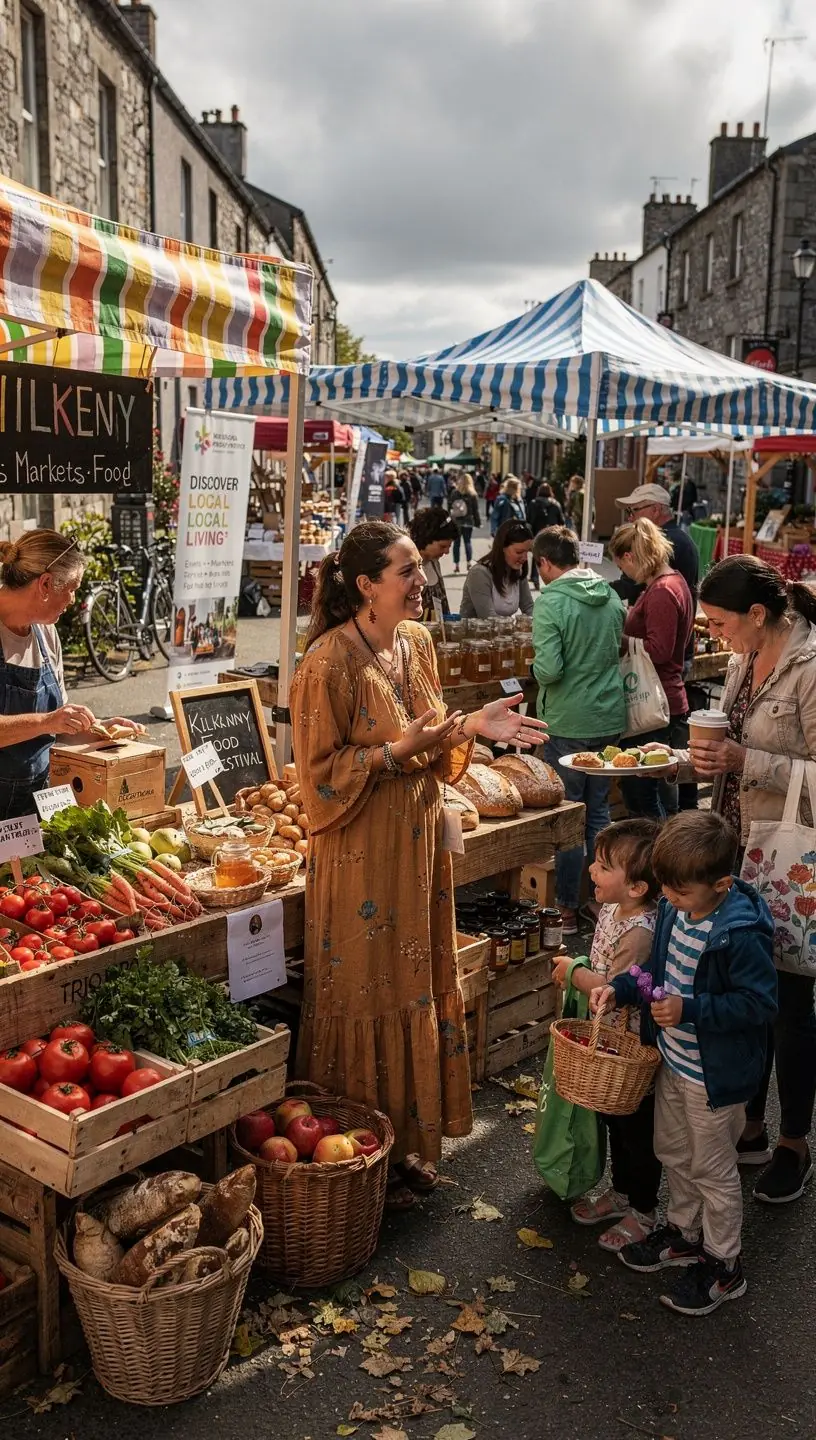
"Public spaces are not just places; they're platforms for community building and cultural expression."
Benefits of Public Spaces
Experts recommend that communities invest in public spaces due to their multifaceted benefits:
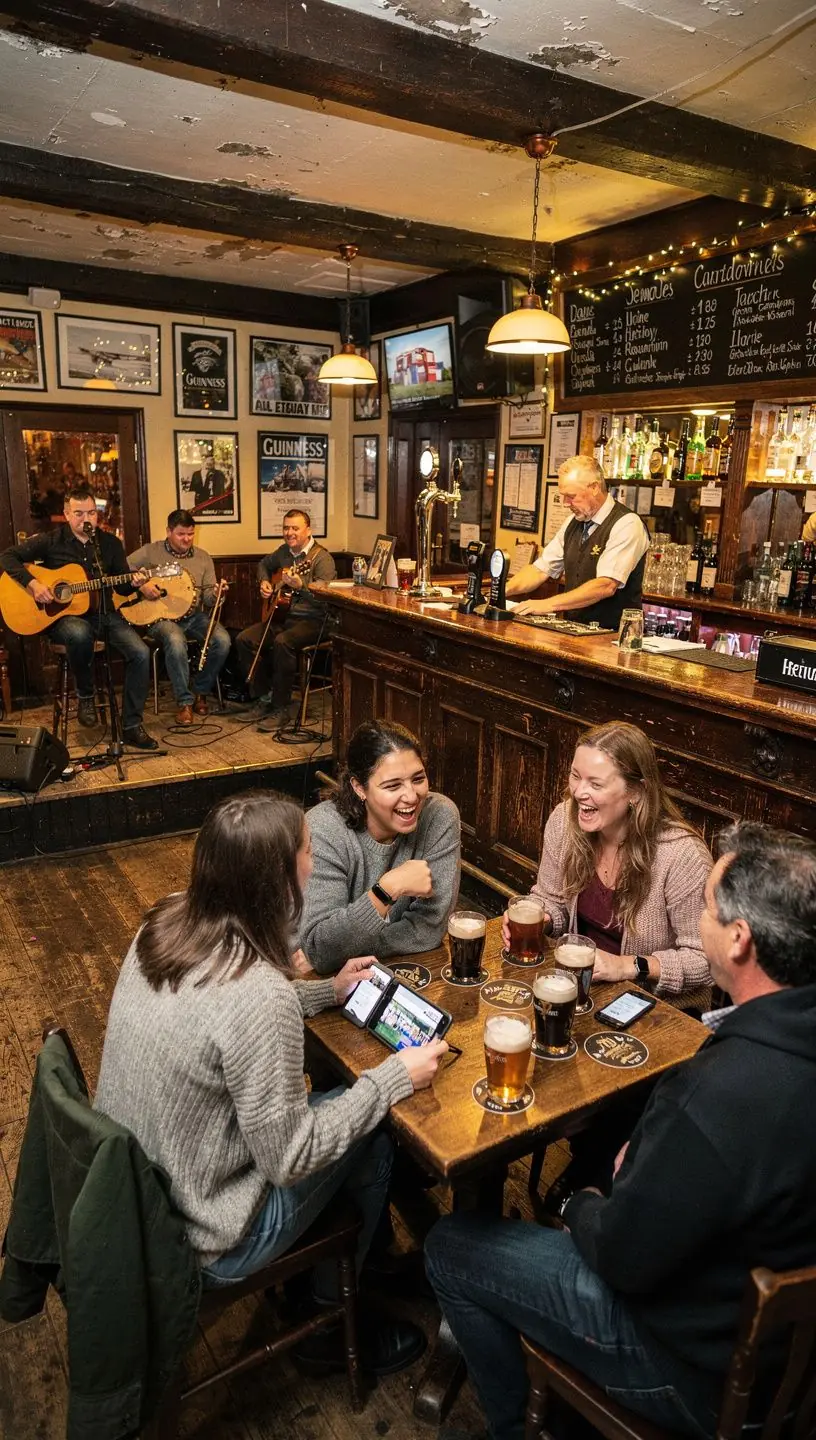
- Social Connectivity: Public spaces foster connections among community members, leading to improved relationships and networking opportunities. Studies show that individuals living near accessible public spaces report greater social interactions.
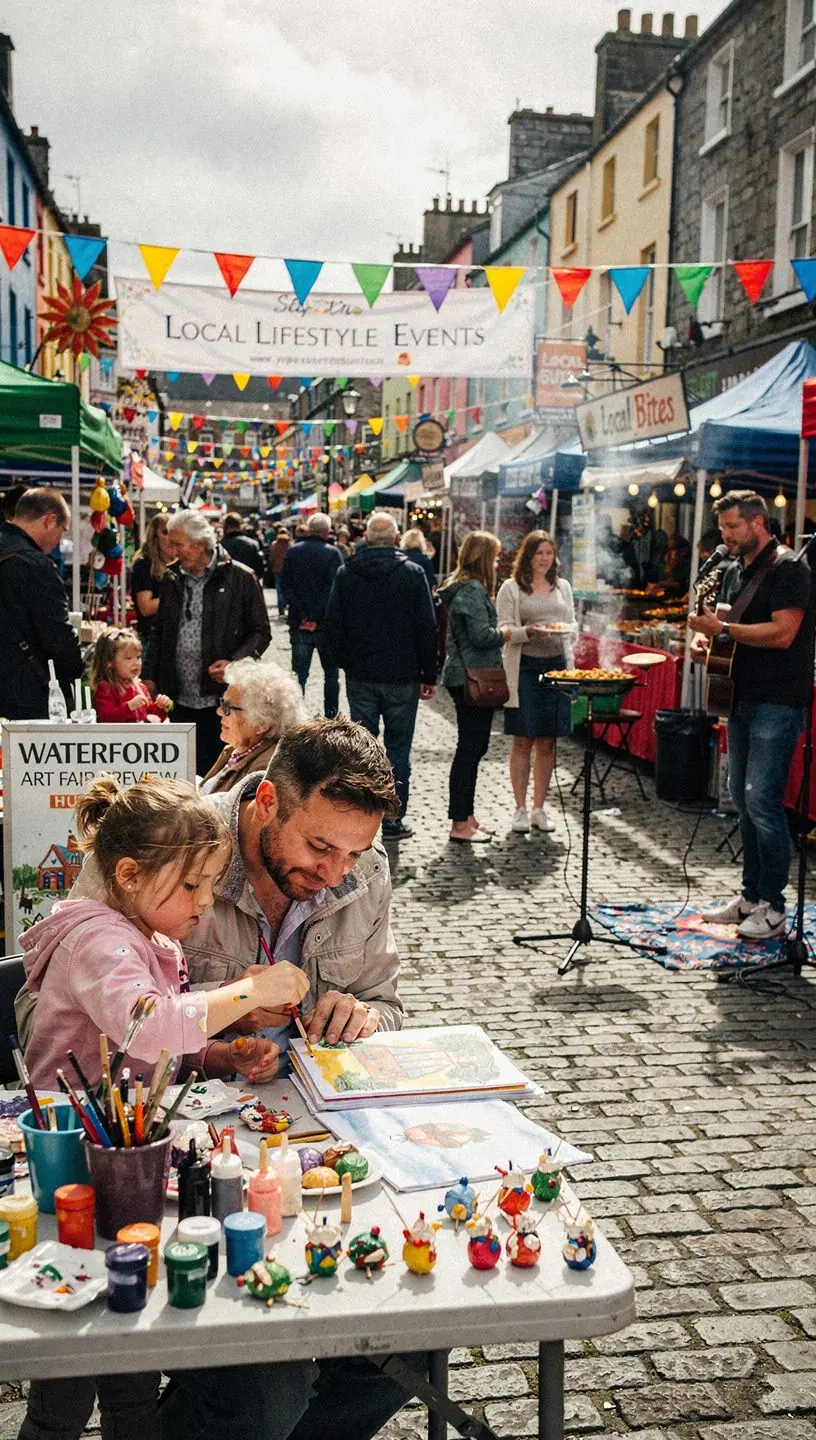
- Cultural Engagement: These spaces often serve as venues for cultural events, markets, and festivals, which can enhance a community's cultural identity. For example, many communities in Ireland have effectively utilized public parks for local arts festivals, attracting visitors and boosting local economies.
- Health Benefits: Access to green spaces has been associated with various health benefits, including reduced stress and increased physical activity. A study published in the journal Environmental Science & Technology indicates that spending time in nature can improve mood and cognitive function.
Designing Effective Public Spaces
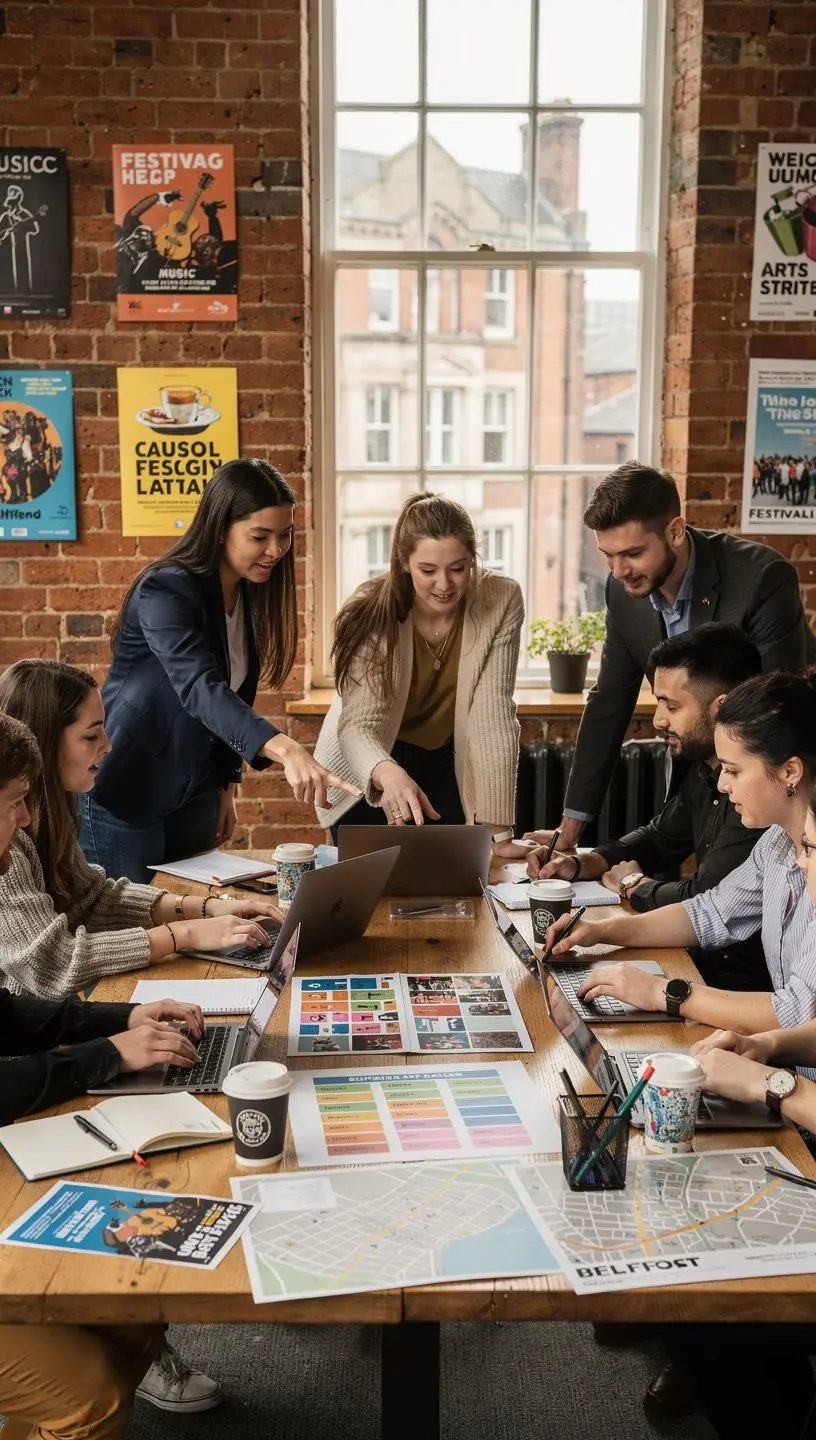
Creating effective public spaces requires understanding community needs and preferences. Industry experts suggest that a participatory design process, where community members contribute ideas and feedback, can lead to spaces that genuinely reflect the community's identity.
The following steps are typically involved in designing successful public spaces:
- Community Engagement: Involve local residents and stakeholders in the planning process to gather insights on what they envision for their public space.
- Site Analysis: Assess existing site conditions, including accessibility, safety, and environmental factors, to inform design choices.
- Design Development: Create design concepts that incorporate elements such as seating, landscaping, and lighting to enhance usability and appeal.
The Challenges and Limitations
While the benefits of public spaces are significant, there are challenges to consider:
- Maintenance: Public spaces require ongoing maintenance to remain welcoming and functional. This often involves budget constraints and community involvement in upkeep.
- Inclusivity: Ensuring that public spaces are accessible and welcoming to all segments of the population can be challenging. Spaces must consider diverse needs and preferences.
- Time Commitment: Developing a meaningful public space often takes time, typically several months to years, depending on community involvement and funding availability.
Conclusion
Public spaces are integral to fostering vibrant, connected communities. By understanding their benefits and challenges, communities in Ireland can take proactive steps to enhance these areas, ultimately leading to improved quality of life and cultural engagement. Investing in public spaces is not just about creating aesthetic environments; it's about building a sense of belonging and shared identity among community members.
Learn More