How to Promote Cultural Awareness Through Events
Cultural awareness is an essential aspect of fostering community cohesion and understanding. Hosting events that encourage cultural exchange can be a powerful tool in achieving this goal. In this article, we will explore effective strategies for promoting cultural awareness through events, supported by research and expert insights.
Understanding the Importance of Cultural Awareness
Cultural awareness refers to the understanding and appreciation of different cultural practices, values, and beliefs. According to research by the American Psychological Association, cultural competence can enhance interpersonal relationships and foster social harmony, making cultural awareness vital in diverse societies like Ireland. By promoting cultural awareness through events, communities can reduce stereotypes, combat discrimination, and encourage inclusivity.

"Cultural awareness is not just about being knowledgeable; it’s about understanding and respecting the differences that exist among various cultural groups." - Dr. Lisa O'Connor, Sociologist
Strategies for Hosting Cultural Events
When planning events aimed at promoting cultural awareness, it is essential to employ effective strategies that engage and educate attendees. Here are several approaches to consider:
- Collaborate with Cultural Organizations: Partnering with local cultural organizations can bring authenticity and depth to your events. Research indicates that collaborative efforts often lead to more engaging and effective programming.
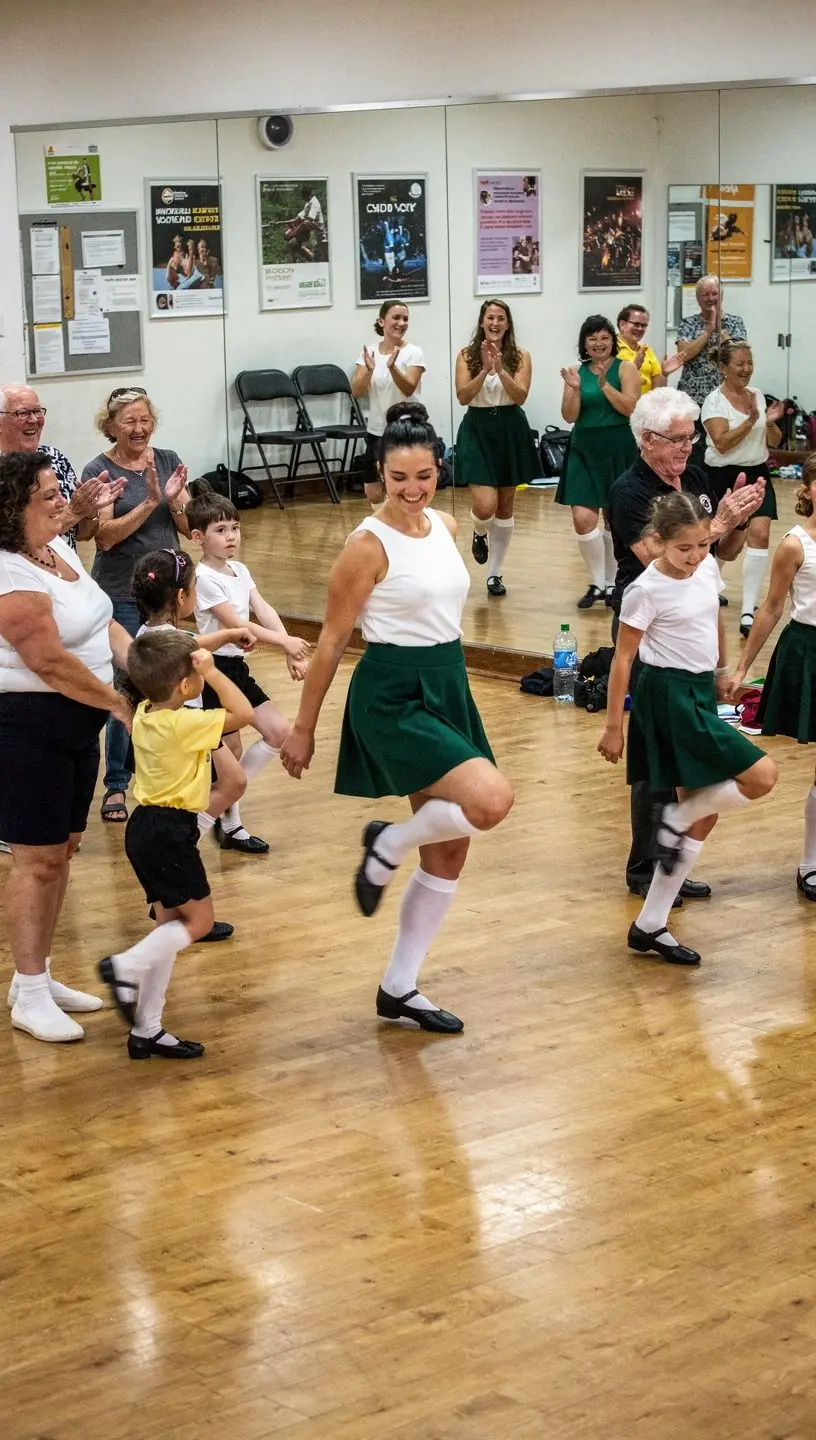
- Incorporate Educational Workshops: Offering workshops that educate participants about different cultures can enhance understanding. Industry experts recommend interactive methods, such as cooking classes or traditional dance lessons, to make learning enjoyable and memorable.
- Promote Diverse Art and Performances: Showcasing art, music, and performances from various cultures can create a vibrant experience. Many users report that exposure to diverse artistic expressions fosters a greater appreciation for cultural diversity.
Measuring the Impact of Your Events
To ensure that your cultural awareness events are effective, it is important to measure their impact. Here are some recommended methodologies:
- Conduct Surveys: Pre- and post-event surveys can help gauge attendees' understanding of cultural issues before and after the event. This data can provide insights into the effectiveness of your programming.
- Gather Feedback: Encourage participants to share their experiences and suggestions for improvement. Feedback is a valuable tool for refining future events.
- Track Engagement Levels: Monitor attendance, participation in activities, and social media engagement to assess how well your event resonates with the community.
Challenges and Considerations
While promoting cultural awareness through events can be rewarding, it is important to acknowledge the challenges involved:
- Time Commitment: Organizing successful cultural events typically takes considerable planning and coordination, often requiring several weeks or even months of preparation.
- Diverse Audience Needs: Catering to diverse audiences may require additional effort and sensitivity. Understanding the specific cultural backgrounds of attendees can improve event relevance.
- Resource Availability: Not all communities have access to the same resources. Identifying and securing funding or sponsorship can be a significant hurdle in planning.
Conclusion
Promoting cultural awareness through events is a valuable endeavor that can contribute to stronger, more cohesive communities. By implementing effective strategies, measuring impact, and acknowledging challenges, organizers can create meaningful experiences that educate and unite people from different backgrounds. Remember, the goal is not only to celebrate diversity but to foster mutual respect and understanding.
Learn More